Sep 2026
Adaptive Reuse Continues to Reshape Downtown Real Estate
Office-to-residential conversions are increasingly being explored as cities, developers, and policymakers seek solutions for both vacant office space and housing shortages.
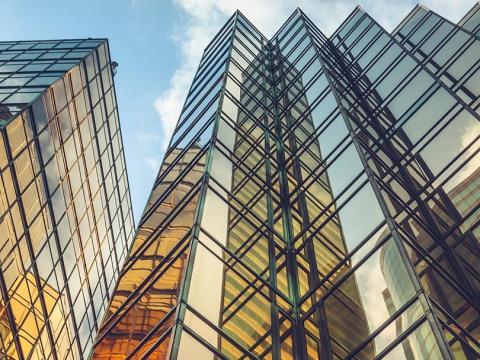
Adaptive reuse continues to be a widely discussed trend across major metropolitan markets as property owners evaluate alternative uses for underutilized office buildings. The combination of elevated office vacancy levels and ongoing housing shortages has led many municipalities to expand incentives intended to encourage conversion projects.*
Several cities have introduced tax incentives, zoning modifications, and expedited permitting processes designed to support office-to-residential redevelopment activity. These programs are intended to improve project feasibility while simultaneously contributing to downtown revitalization efforts and residential housing creation.**
While conversion projects remain highly asset-specific and often involve complex engineering, financing, and design considerations, the growing pipeline of adaptive reuse projects highlights the broader industry effort to reposition certain properties for evolving market demands.
Within this segment, factors such as building configuration, window placement, floorplate depth, municipal support, and access to amenities frequently influence project viability and long-term use.*
Source / Read more:
Additional Context: